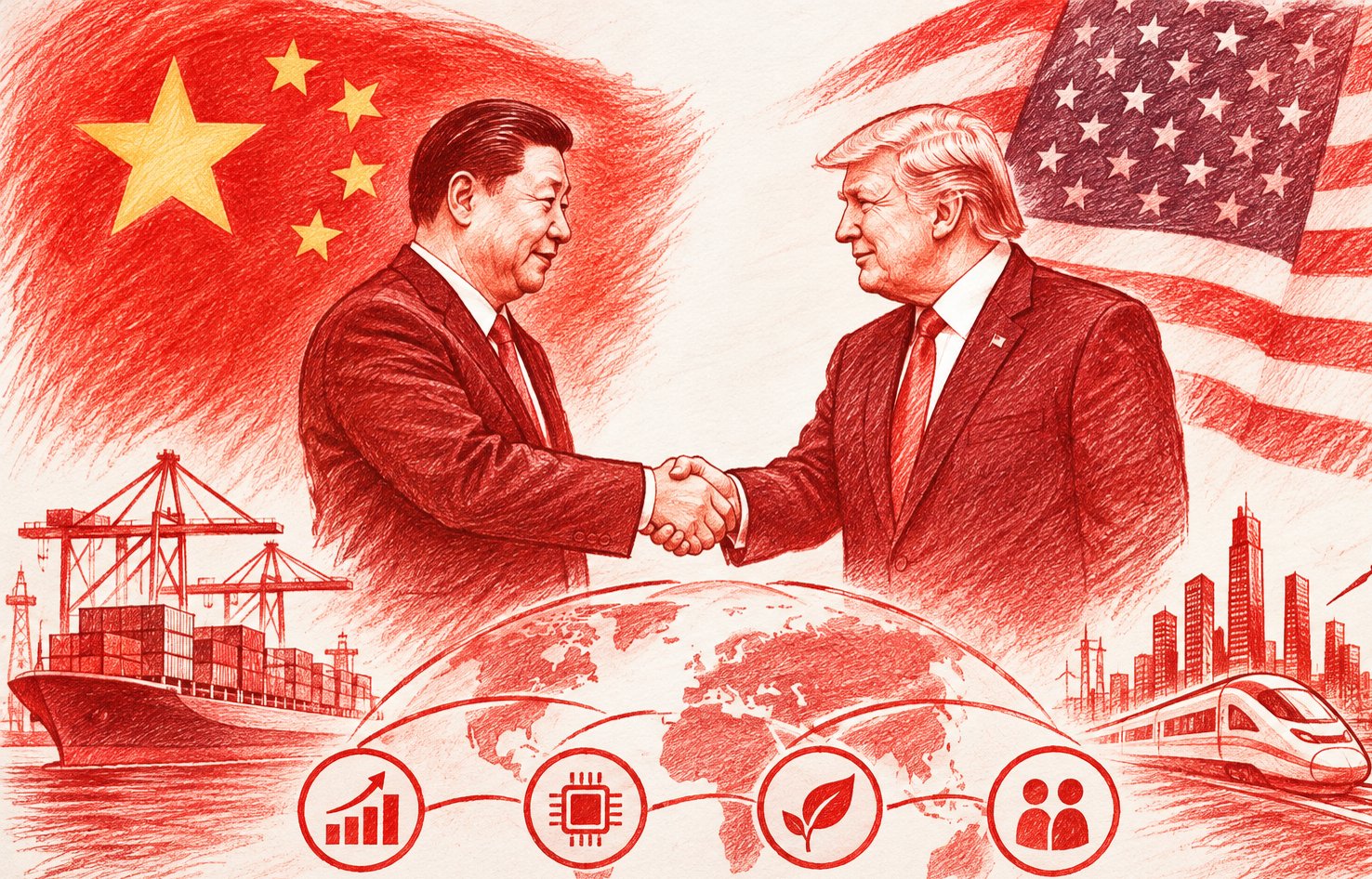
Washington faces the most acute challenges because hopes are high in Asia that it will modulate some of its blunter approaches. Yet attitudes about China have hardened across the U.S. political spectrum, as even Democrats who detest President Donald Trump embrace many elements of his China policies. This stark bipolar framing traces back to former president Barack Obama’s warning about the region during Trans-Pacific Partnership talks in 2015: “If we don’t write the rules, China will.”
The coronavirus will only entrench the challenge, since the worst public health and economic crisis in generations has failed to yield an iota of constructive cooperation between Beijing and Washington. If a crisis of this magnitude cannot bring the United States and China together, Asia’s players may seek to define their own new terms of engagement. One example is data governance, as competing standards are already emerging in capitals from Tokyo to New Delhi.
This could lead to coordinated efforts in areas from public health to data access and transfers that are driven by a diverse set of countries. As with the CPTPP, this coordination could in turn leave out Beijing, Washington, or both if they threaten to become spoilers of meaningful action. It could ultimately be these other Asian players that write the rules of their region’s future.